
Eat Happy: The Surprising Link Between Your Gut and Mental Health
Dr Sonia Russell EdD. MISMA, UKICHA-RHC, mANP
Stress Management, Health and Wellbeing Coach, Mental Health Awareness Mentor and Trainer
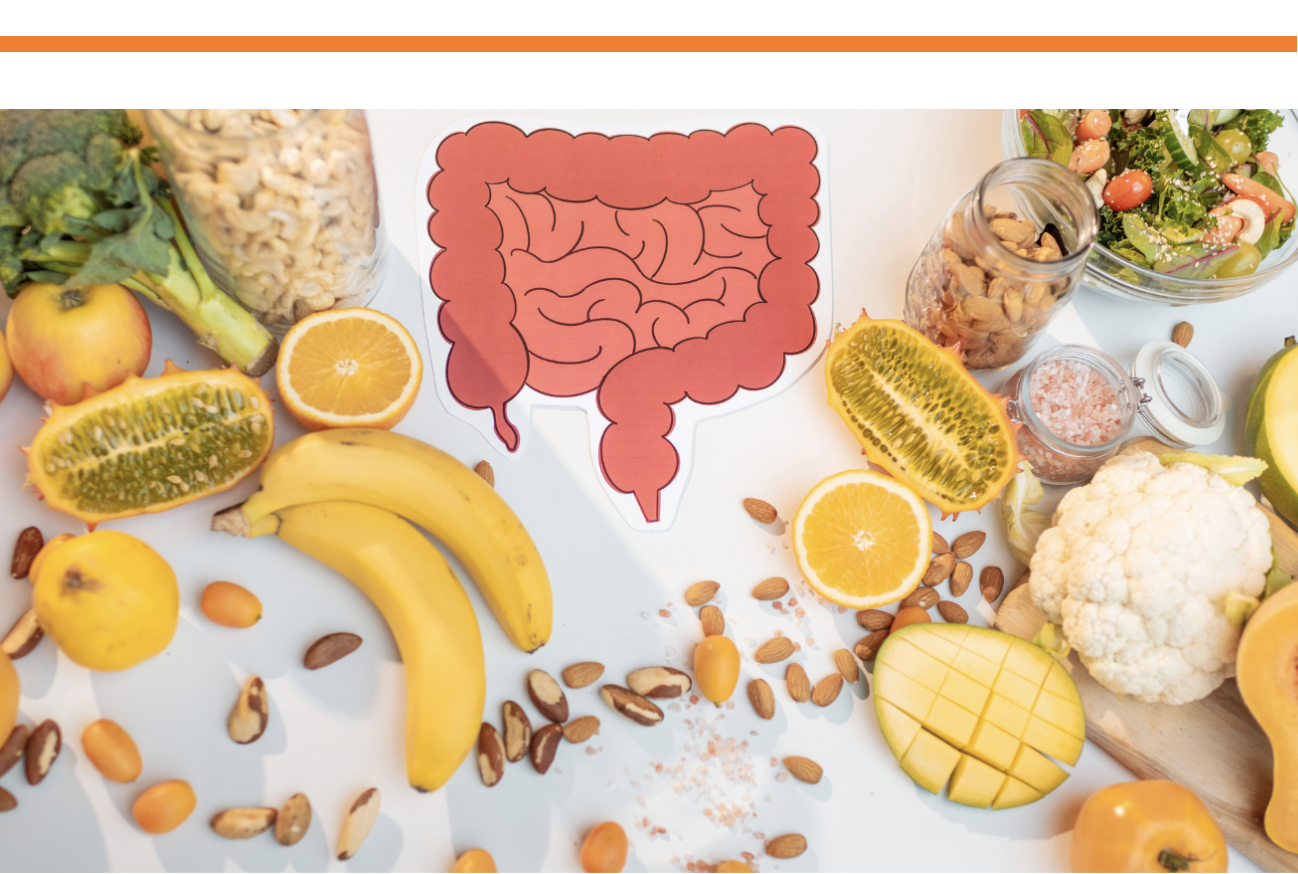
The Gut and Brain Conversation
I can almost hear you asking, do the brain and gut really have a conversation? It may surprise you to know that they do, they really do. So, what do I mean by that? Think about the last time you were asked to do something about which you did not feel comfortable. For example, you had to give a presentation. You had to go for an interview. You had been asked to attend a networking meeting but you were dreading being asked a question to which you might not know the answer. In any of those scenarios you might have found that you had terrible “butterflies in your stomach” or you had a sudden urge to run to the bathroom, those are examples of your gut and brain talking to each other. How can that possibly happen? Let me introduce you first of all to the gut.
The Gut and What it Contains
When we talk about the gut it is not unusual to find that many individuals become confused. Either they have never heard of it or they do not know where it lies in the body. Your gut is also called the gastrointestinal system. It is a long muscular tube which extends from the mouth to the anus; it includes the oesophaghus and pharynx along which your food travels to your stomach; your large intestines – the colon and to your small intestines. Your gut contains a plethora of gut microbiome which is a complex group of microorganisms. Your gut needs care to make sure that the gut microbiome, which includes the bacteria in your large intestine, can effectively digest your food, absorb the nutrients that it requires and eliminate the damaging toxins from your body.
Let us take a further look at the microorganisms that lie inside the gut. The vast number of microorganisms make up the gut microbiota and comprise bacteria, viruses, fungi and parasites and other microbes. Furthermore, the gut is itself a complex system which apart from the brain, contain more nerve cells than anywhere else in your body. Each individual has a different genetic DNA code, that genetic code together with the microbiota comprise your gut microbiome. Consequently, we all have different gut microbiome; that is one of the many reasons why food and drink consumed often affect individuals in various ways.
The Link Between the Gut and Your Emotional Wellbeing
The food and drink of which we partake is generally understood, for example, to satisfy hunger and thirst. Nutrition is also understood as necessary to ensure that you have the strength needed to undertake your daily tasks and to supply sufficient nutrients to ensure that you do not become unwell. When you are eating or drinking something that you really enjoy, this highlights the fact that food and drink are often seen as one of the pleasures of life. Conversely, if the gut is not functioning properly, unfortunately, you will know because the side-effects of a gut which has been compromised are unpleasant. One of the most common problems which can affect the gut is acid reflux. As stomach acid persistently flows into the oesophagus the individual can experience any or all of the following: heartburn coughing and possibly chest pains.
The link, however, between the gut and the brain on our emotional wellbeing is often rarely considered or understood. So let us take a look:.
The gut and brain send signals back and forth to each other via the chemical neurotransmitters which have been produced by the microbes in the gut. Consequently, poor nutrition does not only cause you to feel generally unwell, it can lead to mental disorders such as anxiety and depression. A nutrient-poor diet which includes, for example, too much sugar, salt, fat, fast foods, strips the body of the micronutrients, such as zinc, magnesium, iron and omega-3 fatty acids, which it needs. This leads to tiredness which exasperated by the constant erratic or inconsistent blood sugar levels increases emotional mood swings, irritability, stress and anxiety.
In the same way that your car needs a good grade of petrol or diesel to prevent it from being damaged, likewise the brain needs a constant supply of good fuel to ensure it is able to function properly; that source of good fuel can be provided through the supply of healthy food which nourishes the brain and protects it from oxidative damage. Sung-Ha Lee’s, research (2020) provides one of many research findings which highlight the fact that there is “growing evidence [that] points to the substantial relationship between the gut microbiota and a number of complex human behaviours … such as depression and anxiety.” According to Sung Ha Lee et al’s (2020), research, insufficient short-chain fatty acids such as Lachnospiraceae can alter the gut microbiome which may and a negative impact on an individual’s emotional wellbeing.
How to Protect Your Gut and Mental Health
CARBOHYDRATES
There are two types of carbohydrates; simple carbohydrates and complex carbohydrates. Simple carbohydrates, for example, cakes, pastries and lots of sugar are those which many people choose to consume. Unfortunately, those break down in the body very quickly and contribute to the excessive fatigue, feelings of anxiety or lack of concentration which occur. The gut may also experience discomfort, such as bloating, irritable bowel syndrome or heartburn.
In order to avoid the above, it is advisable to eat meals which comprise complex carbohydrates such as whole grains, brown rice, beans and lentils which do not cause the rapid rise and fall in glucose after eating. Furthermore, those foods are high in fibre and kinder to the gut. Complex carbohydrates increase serotonin and the availability of tryptophan which boosts satiety and one’s mood.
HEALTHY FATS
In order to protect the gut and enhance one’s mental health, fats high in Omega-3 are the better option. Omega-3 fatty acids increase good bacteria which help to reduce inflammation in the gut. Nuts and seeds are often overlooked as a form of Omega-3 but they also contribute to a healthy gut and mental health. Chia seeds, flax seeds and walnuts are high in ALA (Alpha-linoleic acid) which are then converted into EPA (Eicosapentaenoic acid) and DHA (Docosahexaenoic acid). DHA is crucial for brain structure and cell function; EPA improves mood and attention. Together, EPA and DHA help to increase serotonin and dopamine levels in the brain which in turn helps to improve your emotional wellbeing.
FRUITS AND VEGETABLES
Sung Ha-Lee et al. (2020) ‘Emotional wellbeing and gut microbiome profiles by enterotype.’ Published Scientific Reports, 26 November 2020.
Researchers, such as Haskell-Ramsey and Doherty, (2023), for example, have found that “Fruit and vegetables represent healthy and sustainable sources of nutrients to prevent age-related decline” (ibid 2023).
Fruits and vegetables also heal and support the gut. They contain vitamins, antioxidants and polyphenols which provide beneficial bacteria. Good bacteria are required to help reduce inflammation and support the integrity of the intestinal wall.
Berries, citrus fruits and leafy greens contain flavonoids. Carotenoids are found in, for example, carrots, sweet potatoes and squash. Both flavonoids and carotenoids aid cognitive function of the brain which may help to prevent rapid memory loss by slowing down cognitive decline. Anthocyanins are blue or deep purple, for example, blueberries and egg plants, they help to improve brain signaling. In short, fruit and vegetables also play an important role in protecting your mental and emotional well-being.
To find out more, Contact Sonia at Leap to Health
Email me at Leap to Health, Inverness, Scotland. info@leaptohealth.co.uk
Call me at Leap to Heath Inverness, Scotland: 07568 243 079